Creation Museum - Ground cricket
1303








 36:58 Videos
 02:16 Videos
 01:39 Videos
 19:16 Videos
 04:37 Videos
 03:00 Videos
 05:44 Videos
 11:03 Videos
 04:09 Videos
 08:09 Videos
 02:40 Videos
 03:20 Videos
 04:10 Videos
 02:33 Videos
 02:43 Videos
 03:39 Videos
 02:46 Videos
 03:34 Videos
 02:28 Videos
 04:33 Videos
 02:58 Videos
 02:56 Videos
 03:12 Videos
 02:59 Videos
 03:29 Videos
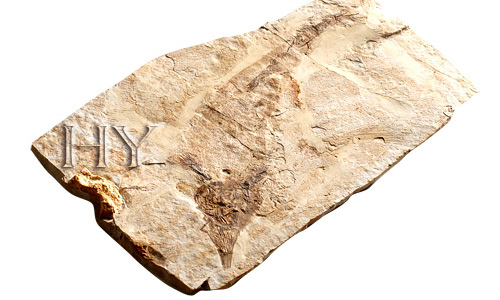
This video examines a 125-million-year-old cricket fossil discovered in the Araripe region of Brazil. It highlights that the anatomical features of this ancient insect remain identical to those of crickets living today. By showcasing this evidence, the video emphasizes Allah's flawless artistry in creation, demonstrating that living beings were created in their perfect, original forms.
The fossil reveals that the anatomical structure of the cricket has remained completely unchanged over millions of years. This provides evidence that living beings were created in a perfect form by Allah and have maintained those specific characteristics ever since.
The cricket was created with distinct, specialized rear limbs designed for jumping. Because these limbs are anatomically identical to those found on modern crickets, they serve as proof that the creature was endowed with these specific physical abilities from the moment of its creation.
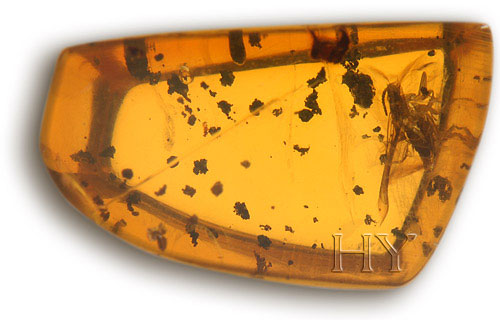
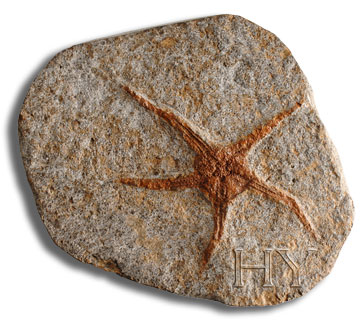
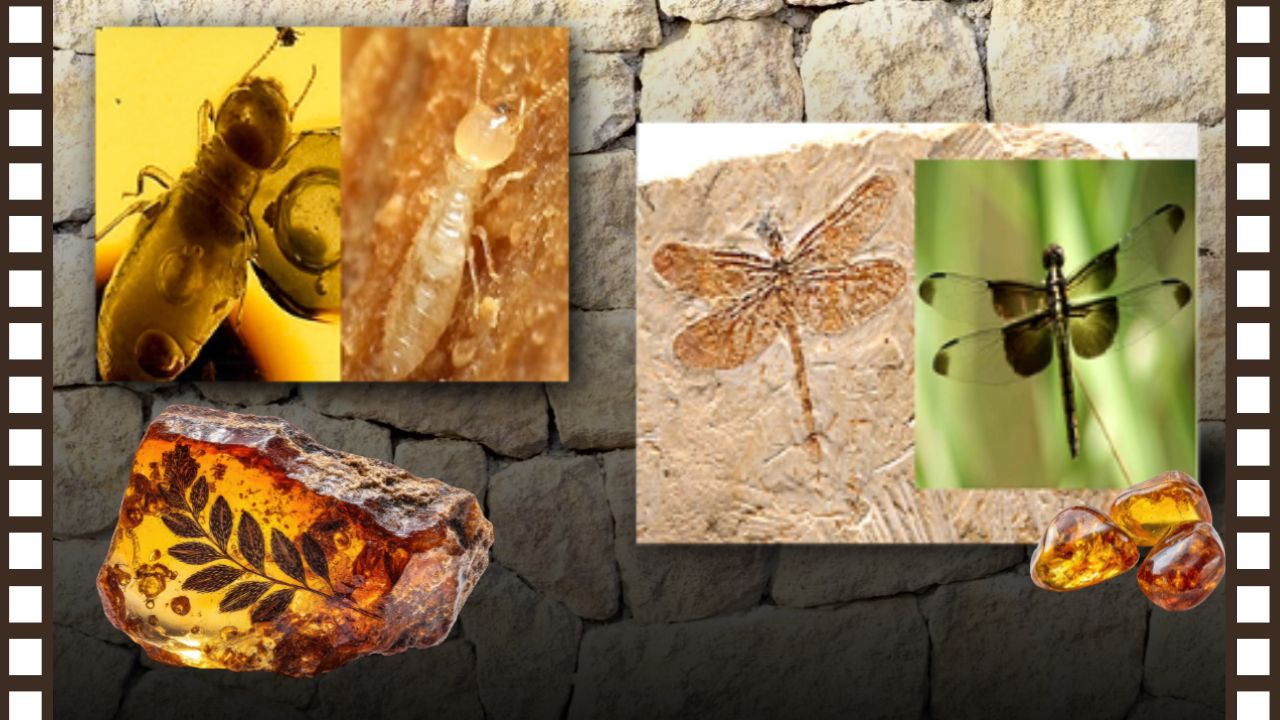
The hundreds of millions of fossils discovered worldwide show that living species do not change their fundamental nature over time. This consistent state of living things confirms that Allah created every species with a delicate, perfect order that persists throughout history.
The absence of change in the fossilized remains of insects, plants, and animals confirms that species do not transition from one to another. It highlights the truth that each living being is a unique manifestation of Allah's artistry in creation, existing exactly as it was first created.
This video examines a 125-million-year-old cricket fossil discovered in the Araripe region of Brazil. It highlights that the anatomical features of this ancient insect remain identical to those of crickets living today. By showcasing this evidence, the video emphasizes Allah's flawless artistry in creation, demonstrating that living beings were created in their perfect, original forms.
The fossil reveals that the anatomical structure of the cricket has remained completely unchanged over millions of years. This provides evidence that living beings were created in a perfect form by Allah and have maintained those specific characteristics ever since.
The cricket was created with distinct, specialized rear limbs designed for jumping. Because these limbs are anatomically identical to those found on modern crickets, they serve as proof that the creature was endowed with these specific physical abilities from the moment of its creation.
The hundreds of millions of fossils discovered worldwide show that living species do not change their fundamental nature over time. This consistent state of living things confirms that Allah created every species with a delicate, perfect order that persists throughout history.
The absence of change in the fossilized remains of insects, plants, and animals confirms that species do not transition from one to another. It highlights the truth that each living being is a unique manifestation of Allah's artistry in creation, existing exactly as it was first created.